

 NORTHKOALA:

-
- Mağaza Tasarımı
- ARÇELİK Mağaza
- Arçelik Mağaza
- Shangri la mall Sri
- womens clothing
- Konsept Dükkan
- BEKO Mağaza Tasarımı
- Vestel Store
- Coffe shop interior
- 3D showroom home
- Bookstore 3D Design
- Kaduwella Singer
- Vestel Store Design
- Mağaza Tasarımı
- Showroom Tasarımı
- Showroom Tasarımı
- SINGER Mega
- Showroom Tasarımı

Famous Quotes
Project Detail
Share:





URL encoding and decoding
URL encoding and decoding
A URL has to take on a certain format, a format that is not exactly human readable. So how then are both a human and a machine supposed to be able to read the same URL?This tutorial focuses on:
- URL encoding
- URL decoding
URL encoding
Through the process of URL encoding, a URL is converted into valid URL format. This means that certain characters in the URL are converted into their proper URL encoded value such as the space character (URL encoded value of %20). This encoding is usually performed when a form is submitted because data submitted through a form can contain special characters such as ".", "#" or the space character that can have special meaning, are not valid in a URL, or can be altered during the transfer of the data.Generally, any character that is not a number or letter (non alphanumeric) should be URL encoded. Examples of such characters include the "!", "@", "#", "$", and "%" characters.
As you will notice in the chart below, encoded values are in hexadecimal. This is because hexadecimal values are used to display non-standard letters and characters in a web browser.
A list of commonly encoded characers and their encoded value:
| Character | Encoded value |
|---|---|
| ; | %3B |
| ? | %3F |
| : | %3A |
| # | %23 |
| & | %26 |
| = | %3D |
| $ | %24 |
| , | %2C |
| <space> | %20 OR + |
| % | %25 |
| < | %3C |
| > | %3E |
| ~ | %7E |
| % | %25 |
URL decoding
Through the process of URL decoding, a URL is converted back into a string of regular characters that are human readable.Use this URL encoder/decoder tool to encode and decode URL's:
Global booth design
-
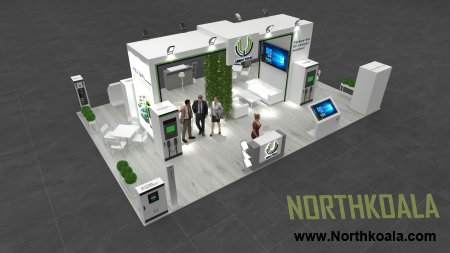
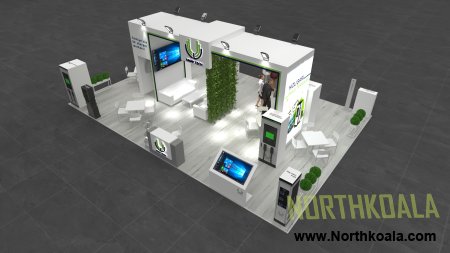
Booth Expo Design
Umay Tech Exhibition Booth Design


-
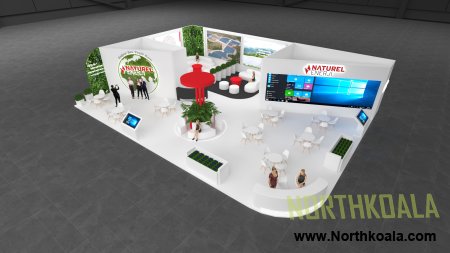
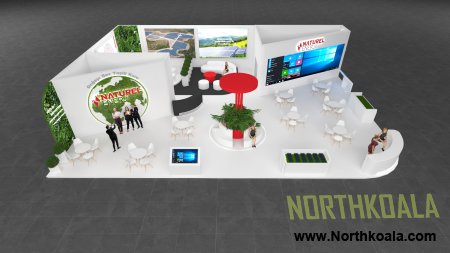
Booth Expo Design
Natural Enerji Exhibition Booth Design
-


Booth Expo Design
Ülker Exhibition Stand Design
-


Booth Expo Design
Exhibition / Fair Stand Design / PANDA London
-
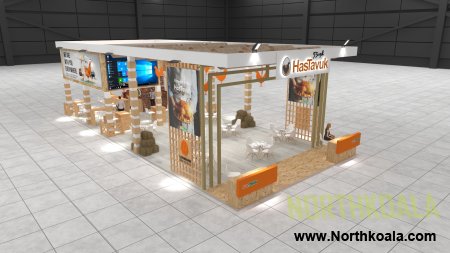
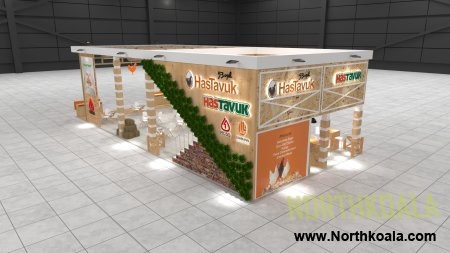
Booth Expo Design
Fair Stand Design
-


Booth Expo Design
Creative stand design for ceramics fair
Showroom Design
-
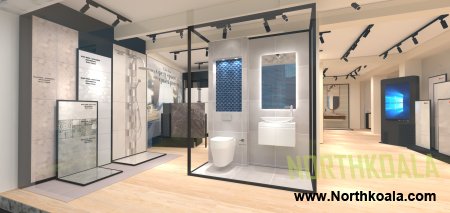
Showroom Design
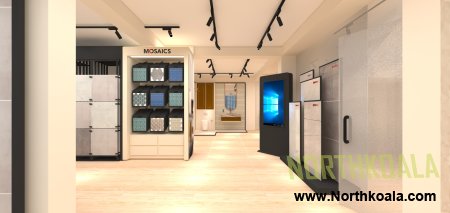
Lanka Tiles Palawatte Showroom Design
-


Showroom Design
Arçelik Mağaza Tasarımı
-


Showroom Design
Singer Mega Nugegoda Showroom 2022 New Design
-


Showroom Design
ROCELL Stone Showroom Concept Design
-


Showroom Design
Lanka Tiles Showroom 2022 New Concept Design
-


Showroom Design
Hotel Restourant VIP concept interior design
Other news
News >- Umay Tech Exhibition Booth Design
- Natural Enerji Exhibition Booth Design
- Ülker Exhibition Stand Design
- Exhibition / Fair Stand Design / PANDA London
- Fair Stand Design
- Creative stand design for ceramics fair
- Modern and Elegant Exhibition Stand Design for a Leading Food Company
- Advanced Communication Technology Stand Design
- Explore the Underwater Wonders of Türkiye: Dive into the Experience
- Cosmolive's Natural and Modern Appeal
- Sleek and Contemporary Stand Design
- Striking Elegance: A Modern Trade Show Stand Design
- Innovative Exhibition Stands Reflecting the Future of Technology
- Modern and Elegant Exhibition Stand for Quartz Surfaces
- Innovative Exhibition Stand Design for a Small Machinery Manufacturing Company

Do Not Wait, Contact with us now.